How To Start Canning: A Simple Guide For Beginners
Canning and preserving are time-honoured methods of keeping fresh food in airtight jars to enjoy months later. It's an advantageous skill that allows you to capture the taste of summer and stock your pantry with delicious, homemade goods. This guide will walk you through everything you need to start your home food preservation journey, covering essential methods, necessary equipment, and critical safety steps to ensure your creations are both tasty and safe to eat.
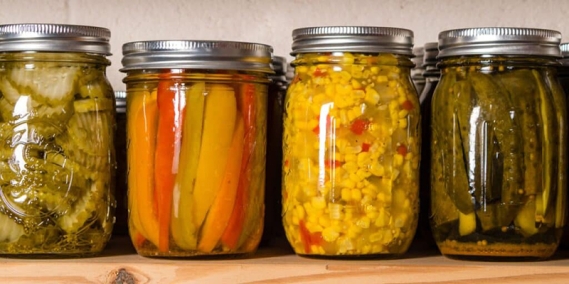
For over two decades, I've found immense joy in the simple 'ping' of a sealing jar, a sound that promises delicious meals for my family long after the garden has been put to bed. It's a connection to our food that feels lost in today's fast-paced world. We'll explore the difference between water bath and pressure canning, help you assemble a beginner's toolkit, and even walk you through your very first recipe. My goal is to demystify the process and give you the confidence to get started.
Getting Started: The Absolute Basics
Diving into a new hobby can feel overwhelming, but the fundamentals of canning are pretty straightforward. Let's break down the what, why, and how, starting with the most critical question: Is it safe?
What Exactly Is Canning And Preserving?
At its core, canning is a science. The process involves placing food in special glass jars, sealing them with a two-part lid, and then heating them to a specific temperature for a particular amount of time. This heat treatment does two crucial things: it destroys harmful microorganisms (such as bacteria, yeasts, and moulds) that cause spoilage, and it forces air out of the jar, creating a vacuum seal as it cools. This airtight seal prevents new microorganisms from getting in, preserving the food's quality and safety for a long time.
Preserving is a broader term that includes canning, but also covers freezing, drying, and fermenting. For this guide, we're focusing specifically on the art and science of canning.
Why Should I Start Canning? The Benefits Beyond The Jar
The most obvious benefit is a pantry full of delicious food, but it goes much deeper than that. When you can make your own food, you have complete control over the ingredients. No more mystery preservatives, excessive salt, or high-fructose corn syrup. It's a great way to eat healthier and manage dietary needs.
It's also incredibly economical. You can buy produce in bulk when it's in season (and cheapest), or preserve the bounty from your own garden, reducing food waste and saving money on groceries year-round. But for me, the most significant benefit is the satisfaction. Turning a bushel of fresh-picked tomatoes into jars of vibrant sauce is profoundly fulfilling.
Is Home Canning Actually Safe?
Yes, home canning is perfectly safe, but only if you follow modern, tested guidelines precisely. The primary safety concern in home canning is Clostridium botulinum, a bacterium that can produce a deadly toxin in low-acid, oxygen-free environments (like a sealed jar). Fortunately, this bacterium is easily destroyed by proper heat processing.
This is not the place to get creative with recipes or methods. Always use recipes from trusted sources such as the National Centre for Home Food Preservation (NCHFP), the USDA's Complete Guide to Home Canning, or modern Ball/Kerr canning books. Following their instructions on processing times and methods is non-negotiable for safety.
The Two Core Canning Methods: Water Bath vs. Pressure Canning
The type of food you want to preserve dictates the canning method you must use. This is all about acidity (pH level). High-acid foods can be safely processed in a boiling water bath, while low-acid foods require the higher temperatures achieved only in a pressure canner.
What Is Water Bath Canning And What Can I Can With It?
Water bath canning is the simplest method and the perfect starting point for beginners. It involves submerging sealed jars in boiling water (212°F or 100°C) for a prescribed amount of time. This temperature is high enough to destroy mould, yeast, and some bacteria in high-acid foods.
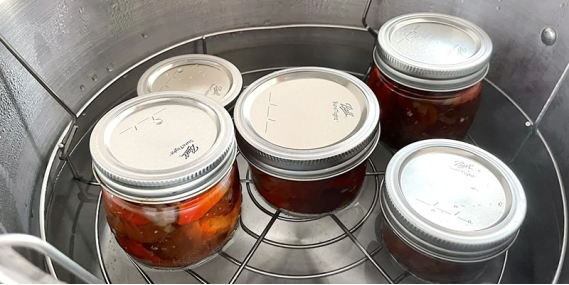
High-acid foods have a pH of 4.6 or lower. This natural acidity inhibits the growth of C. botulinum spores. Foods you can safely process with a water bath canner include:
- Most fruits (peaches, pears, apples)
- Jams, jellies, and fruit butters
- Pickles and relishes (due to the added vinegar)
- Salsas (using tested recipes)
- Tomatoes (with added acid like lemon juice or citric acid)
What Is Pressure Canning And Why Is It Necessary For Some Foods?
Pressure canning is the only safe method for preserving low-acid foods. A pressure canner is a heavy-duty pot with a locking lid and a pressure gauge. It traps steam, raising the internal pressure and allowing the temperature to climb to 240-250°F (116-121°C). This superheated environment is required to kill C. botulinum spores in low-acid foods.
Low-acid foods have a pH higher than 4.6. This category includes almost all fresh vegetables and all meats. Foods that MUST be processed with a pressure canner include:
- Plain vegetables (green beans, corn, potatoes, carrots)
- All meats, poultry, and fish
- Soups and stocks
- Mixtures of high- and low-acid foods (like spaghetti sauce with meat)
Comparison: Which Canning Method Do I Need?
Here's a simple table to help you decide which method is right for the foods you want to preserve.
Feature |
Water Bath Canning |
Pressure Canning |
Food Type |
High-Acid Foods (pH ≤ 4.6) |
Low-Acid Foods (pH > 4.6) |
Examples |
Fruits, jams, pickles, most tomatoes (with added acid) |
Vegetables, meats, poultry, fish, soups, stocks |
Temperature |
212°F (100°C) at sea level |
240°F - 250°F (116°C - 121°C) |
Equipment |
Large stockpot with a rack, or a dedicated water bath canner |
A dedicated pressure canner (not a pressure cooker) |
Beginner Friendliness |
Excellent for beginners, lower initial cost |
Requires more attention to detail and a higher initial investment |
Safety Concern |
Spoilage from mould/yeast if processed improperly |
Risk of botulism if processed improperly |
Essential Canning Equipment for Beginners
You don't need a kitchen full of fancy gadgets to start canning, but having the right tools makes the process safer, easier, and more successful. Here's a rundown of what you'll need.
What Is The Bare Minimum Equipment I Need To Start?
If you're starting with water bath canning (which I highly recommend), you can get by with just a few key items. Many companies sell convenient starter kits that bundle these together.
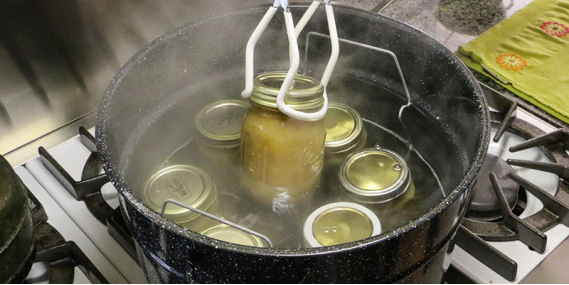
- A Canner: For water bath canning, use a large, deep stockpot with a lid. It just needs to be tall enough to hold your jars on a rack with at least 1-2 inches of water covering them. For pressure canning, you must use a dedicated pressure canner.
- A Canning Rack: This fits inside your pot to keep jars off the bottom, allowing water to circulate freely and preventing heat shock that can cause breakage.
- Canning Jars: Use Mason-type jars specifically designed for home canning. They are made to withstand the temperature changes.
- Two-Piece Lids: These consist of a flat lid with a sealing compound and a screw-on ring (or band). Lids are for one-time use only; rings can be reused.
- Jar Lifter: This tool is essential for safely moving hot, wet jars in and out of the canner.
- Canning Funnel: A wide-mouthed funnel that fits into jars, making it easy to fill them without spilling.
- Bubble Remover / Headspace Tool: A plastic stick used to release trapped air bubbles from the jar and measure headspace (the space between the food and the rim).
Do I Need a Special "Canner" Or Can I Use a Stockpot?
For water bath canning, you absolutely can use a large stockpot you already own! As long as it's deep enough to fully submerge your jars by at least an inch of water and you have a rack for the bottom, you're good to go. However, a dedicated water bath canner is relatively inexpensive and often comes with a perfectly fitting rack, which is a nice convenience.
For pressure canning, there are no substitutes. You must use a vessel designed for pressure canning. A modern electric pressure cooker (like an Instant Pot) is NOT a pressure canner. It cannot be used for USDA-approved canning recipes, as their temperature and pressure regulation may not be reliable enough to kill botulism spores.
Jars, Lids, And Rings: What You Need To Know
This is a critical part of the process. Always inspect your jars for nicks or cracks before use, as these can prevent a seal or cause breakage. The rings hold the lid in place during processing; they should be tightened just "fingertip tight" to allow air to escape. The real magic is in the flat lid, which has a plastisol compound around the edge that softens with heat and forms an airtight seal as the jar cools. Once a jar is sealed, you can remove the ring for storage. This prevents rust and makes it easier to spot a failed seal.
Your First Canning Project: A Step-by-Step Guide
The best way to learn is by doing! A simple strawberry jam is a fantastic first project. It's a high-acid food that uses the water bath method, and the results are incredibly delicious and rewarding. Let's walk through the entire process.
How To Prepare And Sterilise Your Jars And Lids
Cleanliness is paramount. Before you start preparing your food, get your canning station ready.
- Wash your jars, lids, and rings in hot, soapy water and rinse well.
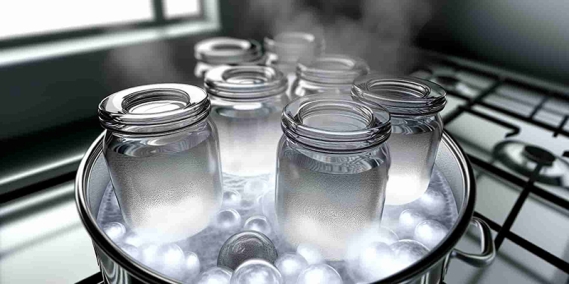
- Place your canning rack in the bottom of your water bath canner or stockpot. Place the clean jars on the shelf and fill the pot and the jars with hot water until they are covered.
- Bring the water to a simmer (180°F) to keep the jars hot. This prevents them from breaking when you fill them with hot food. If your recipe's processing time is less than 10 minutes, you'll need to boil the jars for 10 minutes to sterilise them. For processing times of 10 minutes or more, the processing itself will sterilise the jars.
- Place the flat lids in a small saucepan of water and heat them gently, but do not boil, as this can damage the sealing compound. Keep them hot until you're ready to use them.
A Simple Step-By-Step Guide To Canning Strawberry Jam (Water Bath)
This recipe is a classic for a reason. I remember making this with my grandmother, the sweet smell filling her entire house. It's a memory sealed in a jar.
Ingredients (from a trusted source like Ball):
Instructions:
Where Can I Find Safe, Tested Canning Recipes?
This is critically important. Never use a recipe you find on a random blog or handed down from your great-aunt unless you can verify it against a modern, tested source. Old recipes often used unsafe methods. Your go-to sources should be:
- The National Centre for Home Food Preservation (NCHFP) website.
- The USDA Complete Guide to Home Canning.
- FreshPreserving.com (the official site for Ball and Kerr brands).
- University Extension websites (e.g., Penn State Extension, University of Georgia Extension).
- Modern canning cookbooks from reputable brands like Ball or publications like Better Homes and Gardens.
Common Canning Problems and How to Solve Them
Even seasoned canners sometimes run into issues. Don't be discouraged! Most problems are easy to diagnose and prevent. Here are a few common ones.
Why Didn't My Jars Seal?
This is the most common concern for beginners. If a jar doesn't seal within 24 hours, you can reprocess it with a new lid or refrigerate it and eat it within a few days. The usual culprits are:
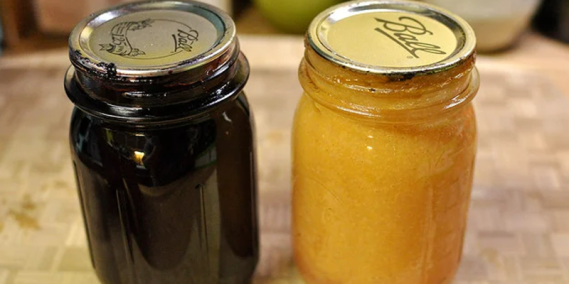
- Dirty Rim: A speck of food on the rim of the jar can prevent the lid from sealing. Always wipe rims clean.
- Incorrect Headspace: Too much or too little space can interfere with the vacuum formation.
- Ring Too Tight: Overtightening the ring prevents air from escaping during processing.
- Chipped Jar Rim: A tiny nick on the rim will break the seal. Scrutinise jars.
- Lid Issues: Using an old lid or not heating the lid properly.
Why Did My Food Spoil Or Change Colour?
Discolouration at the top of the jar is often just oxidation from air trapped in the headspace and is usually harmless. However, if the food is mushy, mouldy, smells "off," or the liquid is cloudy when it should be clear, do not taste it! When in doubt, throw it out. Spoilage is almost always due to improper processing—not enough heat, incorrect time, or the wrong method (e.g., water-bathing a low-acid food).
Troubleshooting Chart: Common Canning Issues
Problem |
Possible Cause(s) |
Solution / Prevention |
Jar Breakage |
Thermal shock (hot food in a cold jar, or cold jar in hot water); using non-canning jars; pre-existing hairline cracks. |
Keep jars hot; always use proper canning jars; inspect jars before use. |
Liquid Loss (Siphoning) |
Packing jars too tightly; air bubbles not removed; rapid temperature changes after processing. |
Pack food properly; run the bubble remover tool around the inside of the jar; let the jars rest in the canner for 5 minutes after processing. |
Floating Fruit |
Fruit is lighter than the syrup; overripe fruit; and packing too loosely. |
Use firm, ripe fruit; a hot pack (cooking fruit briefly before jarring) can help. The food is still safe to eat. |
Cloudy Pickles |
Using hard water, using table salt instead of canning salt, spices that are too fine, and leaving blossom ends on cucumbers. |
Use filtered water; always use canning/pickling salt; use whole spices or place ground spices in a bag; trim blossom ends. |
Conclusion
Canning is more than just a food preservation technique; it's a way to connect with your food, reduce waste, and build a pantry you can be proud of. By starting with the basics — understanding the difference between water bath and pressure canning — and always prioritising safety by using tested recipes, you can confidently turn today's harvest into tomorrow's treasures. The initial learning curve is slight, but the rewards—a shelf full of beautiful, delicious, homemade goods—are immeasurable. Now you have the knowledge to begin your canning adventure.
If this guide helped you feel more confident about starting, please share it with friends and family who might also enjoy the simple, satisfying craft of home canning!