

How to Reduce Inflammation With an Anti-inflammatory Diet
Reducing inflammation through your diet isn’t about the latest trend – it’s about making conscious choices that keep your body in balance. Chronic inflammation can be involved in many long term conditions such as heart disease, arthritis and even some cancers. The good news is that by choosing anti-inflammatory foods you can potentially ease this process and support your overall wellbeing.
Inflammation and the Anti-Inflammatory Diet
When your body has an injury or infection inflammation is its natural way to heal. But when inflammation sticks around for too long it becomes “chronic” and can damage healthy tissues. This low grade chronic inflammation has been linked to a host of health issues – from cardiovascular disease to type 2 diabetes and even some cancers.
An anti-inflammatory diet is about eating foods that reduce this harmful inflammation and avoid those that trigger it. Think of it as fueling your body with ingredients that nourish you and keep your systems in check.

Components of an Anti-Inflammatory Diet
In practice an anti-inflammatory diet is about whole, unprocessed foods rich in antioxidants, omega 3’s, fibre and polyphenols. Here are the basics:
Fruits and Vegetables: Colourful produce like berries, leafy greens, tomatoes and cruciferous vegetables are packed with antioxidants and phytonutrients that combat inflammation. Research shows that adding more fruits and vegetables to your plate can reduce inflammatory markers in the body.
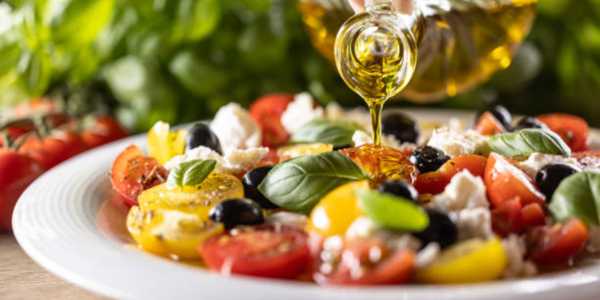
Healthy Fats: Sources of omega 3’s like salmon, mackerel, chia seeds and walnuts reduce inflammation. Extra-virgin olive oil is another good one; it contains oleocanthal a natural compound that mimics the effects of nonsteroidal anti-inflammatory drugs (NSAIDs) as noted by EatingWell.
Whole Grains and Legumes: Unlike refined grains whole grains and legumes are high in fibre which supports a healthy gut microbiome – a key player in regulating inflammation.
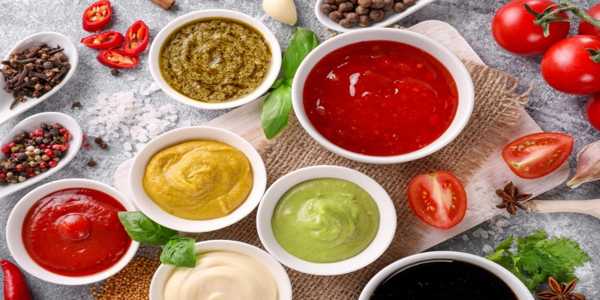
Herbs and Spices: Turmeric, ginger, garlic and rosemary aren’t just for flavour; they contain bioactive compounds with anti-inflammatory properties.On the other hand pro-inflammatory foods are highly processed and loaded with refined sugars, unhealthy fats and artificial additives. Examples are fast foods, sodas, processed meats and refined carbohydrates like white bread. Research on Health.com shows that a big portion of American diets fall into this pro-inflammatory category and can contribute to long term health problems.
How These Foods Work
Many anti-inflammatory foods have compounds such as polyphenols, omega-3s and fiber that work in different ways:
Omega-3s: These fats reduce the production of inflammatory molecules and support the production of resolvins – compounds that actually help to resolve inflammation. Studies have shown that regular consumption of omega-3s is associated with lower inflammatory markers in the blood.
Polyphenols: Found in fruits, vegetables and even dark chocolate these compounds neutralize free radicals and regulate inflammatory pathways. NCBI Bookshelf has more information on how these bioactive compounds modulate inflammation.
Fiber: A high fiber diet supports a healthy gut microbiome which in turn helps to modulate the immune system and reduce systemic inflammation. The Dietary Inflammatory Index is one tool researchers use to measure how different diets affect inflammation based on fiber and other nutrient content.
Practical Tips for an Anti-Inflammatory Diet
Ready to make changes? Here are some simple steps:
1. Plan Your Meals: Start by planning meals around a variety of fruits, vegetables, whole grains and lean proteins. Add a “rainbow” of produce to ensure you get a broad range of antioxidants.
2. Cook at Home: Cooking from scratch allows you to control ingredients and avoid additives. Try herbs and spices like turmeric and ginger to boost flavor and anti-inflammatory benefits.
3. Swap Out Processed Foods: Gradually swap refined grains for whole grains and limit processed meats and sugary snacks.
4. Focus on Healthy Fats: Use extra-virgin olive oil instead of butter and add fatty fish or plant-based omega-3s like flaxseeds and walnuts to your diet.
5. Mind Your Beverages: Choose water, herbal teas or a small glass of red wine over sugary sodas and high-calorie drinks.
6. Budget-Friendly Options: If fresh produce is too expensive or not available choose frozen or canned fruits and vegetables (with no added sugars or salts) to keep your diet varied and nutritious.

Get Help for Inflammatory Diet Changes
Making dietary changes can seem daunting but small changes add up over time. Consider seeing a registered dietitian or nutritionist who can give you personalized advice. They can help you create a balanced plan that reduces inflammation and fits your life and budget. Many communities also have resources like CSA programs that provide access to fresh, seasonal produce.
By embracing an anti-inflammatory dietary pattern, you’re not just making a temporary change—you’re investing in a long-term strategy for better health. It’s about establishing a sustainable way of eating that supports your body’s natural healing processes and guards against chronic diseases. With many studies supporting these dietary changes—from clinical trials to observational research—it’s clear that what you eat can make a real difference.
Even if you can’t overhaul your entire diet overnight, start small. Swap a processed snack for a piece of fruit, or try a new whole-grain recipe once a week. These small changes add up over time and can help tip your body towards a healthier less inflamed state.
Choosing an anti-inflammatory diet is a proactive step towards better health. It supports your immune system and may help prevent conditions linked to chronic inflammation. Eating whole nutrient rich foods and reducing ultra processed foods will give you more energy, better digestion and overall wellbeing.
Remember making informed choices about what you eat is one of the most powerful tools you have for long term health and vitality. Take it one meal at a time and know that small changes can add up to big benefits over time.
This anti-inflammatory approach is practical and backed by research. By incorporating these into your daily life you’re setting yourself up for a healthier future where your diet becomes your ally in the fight against chronic inflammation.