How To Read Nutrition Labels Without Getting Confused
Ever picked up a snack thinking it was healthy, only to realise later that it wasn't? Nutrition labels can look like a wall of numbers and unfamiliar terms. But once you understand what to focus on, it gets much easier to make wise choices at the store.
Let’s break it down so the next time you turn over a product, you’ll know exactly what you’re looking at.
Start With The Serving Size
The first thing to check is the serving size and number of servings per container. Everything on the label—calories, nutrients, sugar, sodium—is based on that one serving.
Here's where people often get tricked: what looks like a single-serving bag of chips might contain three servings. So if the label says 150 calories per serving and there are three servings in the bag, you're eating 450 calories if you finish the entire bag.
Tip: Always do the quick math. Multiply the numbers by the number of servings you're consuming.
Calories: How Much Energy You're Getting
Next up are calories. This number tells you how much energy you'll get from one serving. Most people need around 2,000–2,500 calories a day, depending on age, activity level, and goals.
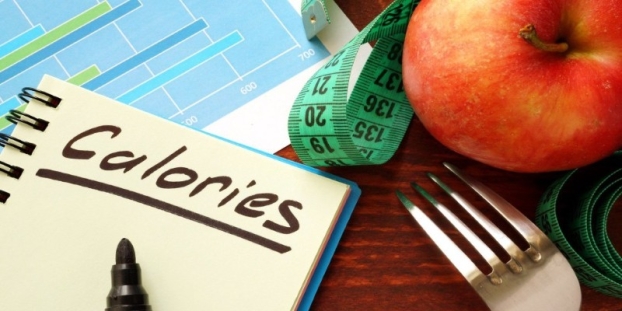
But more important than the number is where those calories come from.
Two different snacks can have 200 calories, but one could be packed with added sugar and unhealthy fats, while the other might offer fibre, protein, and healthy fats. That's why the following parts of the label matter.
Fat: Look Beyond The Total Number
Fat isn't the enemy. Your body needs it. But what kind of fat you're getting matters a lot.
Saturated Fat: Try to keep this low. Found in red meats, butter, and some packaged snacks.
Trans Fat: Avoid this as much as possible. It’s often hidden in processed foods and is linked to heart disease.
Unsaturated Fats (Not Always Listed): These are the healthy fats—like those from nuts, avocados, and olive oil.
Watch for: Products that say “0g trans fat” but list “partially hydrogenated oils” in the ingredients. That means there’s still a little trans fat hiding in there.
Sodium: The Sneaky Ingredient
Too much sodium (salt) can raise your blood pressure and increase the risk of heart problems. You’d be surprised where it hides—canned soups, bread, sauces, even "healthy" frozen meals.
Aim for less than 2,300 mg of sodium per day.
If a single serving has 500 mg or more, it’s on the high side.
Helpful tip: If you eat multiple packaged foods throughout the day, the sodium adds up fast—even if none of them taste especially salty.
Total Carbohydrates, Fibre, And Sugar
This section is where labels can get tricky, especially with all the marketing around low-carb, keto, and low-sugar diets.
Here’s what to focus on:
Total carbohydrates include all carbs: fibre, sugar, and starch.
Dietary fibre is the good stuff—it helps digestion and keeps you full longer. Aim for at least 25–30g of fibre daily.
Total sugars include natural sugars (like those from fruit or milk) and added sugars.
Added sugars are the key ones to watch. These are the syrups and sweeteners manufacturers add during processing. Think high fructose corn syrup, cane sugar, and honey.
Too much added sugar? The American Heart Association suggests keeping added sugar below 25g per day for women and 36g for men.
Protein: Check If It’s Enough
Protein is essential for building and repairing muscles, and it helps you stay full longer. A good snack should have at least 5g of protein, while meals should offer more—closer to 15–30g.
Pro Tip: Not all protein is created equal. Plant-based sources (like beans or nuts) offer fibre too, while animal-based ones (like meat or eggs) usually don't.
Vitamins And Minerals
The bottom part of the label often lists nutrients like:
Vitamin D
Calcium
Iron
Potassium
These are there because many people don’t get enough of them. Getting the right amount helps support bone health, energy levels, and muscle function.
If a label says 20% Daily Value (DV) for calcium, it means one serving gives you 20% of what you need for the day.
Here’s a cheat sheet:
5% DV or less = low
10–19% DV = moderate
20% DV or more = high
The % Daily Value (DV): How Much Is "A Lot"?
The % Daily Value is the percentage of the recommended daily amount of each nutrient. It helps you see if something is high or low in a particular nutrient.
Here’s what to aim for:
High (20% or more): Good for fibre, calcium, iron, and potassium.
Low (5% or less): Better for saturated fat, sodium, and added sugars.
Example:
25% DV of fibre = great!
25% DV of sodium = might be too high for a snack.
Ingredient List: The Secret Code
Sometimes the numbers don’t tell the whole story. That’s why the ingredient list matters. Ingredients are listed from most to least.

If sugar (or one of its many names) is in the first three ingredients, that’s a red flag. Look out for:
Corn syrup
Cane sugar
Brown rice syrup
Fruit juice concentrate
Just because something says "whole grain" on the front doesn't mean it is. Look for whole wheat flour or whole oats as the first ingredient.
What “Light,” “Low,” And “Free” Actually Mean?
Food packages love to use health buzzwords, but here’s what they legally mean:
Low Fat: 3g or less per serving
Fat-Free: Less than 0.5g per serving
Low Sodium: 140mg or less per serving
Sugar-Free: Less than 0.5g of sugar per serving
Light (Lite): 50% less fat or 1/3 fewer calories than the regular version
It doesn't always mean the product is better for you—it just means it meets specific technical criteria.
Quick Label-Reading Checklist
Before tossing something in your cart, ask yourself:
How big is the serving size—and how many servings will I eat?
Is the product high in added sugar, sodium, or saturated fat?
Does it provide me with fibre, protein, or essential vitamins?
Are the ingredients recognisable and straightforward?
Making Smarter Food Choices
You don't need to be a nutrition expert to read labels. With a bit of practice, you'll compare products quickly and spot healthier options. Real, whole foods—like fruits, vegetables, nuts, and plain grains—often don't have labels at all, which is usually a good thing.
Reading food labels won’t just help you shop better. It’ll help you feel better, too. You’ll know exactly what you’re putting into your body—and that confidence is worth a lot.

How To Make The Perfect Pancakes

8 Quick Gourmet Breakfasts For A Healthy Start

7 High-Protein Meals Perfect For Busy Weeknights
6 Simple Meal Prep Recipes To Save Time And Eat Well

Easy & Healthy Soup Recipes You Can Make in Under 30 Mins